

Once considered a niche curiosity in the art toy world, Labubu has now evolved into a cultural and investment-grade collectible, rivaling traditional fine art and luxury memorabilia. Created by the Belgian-born, Hong Kong–based artist Kasing Lung in collaboration with Pop Mart, Labubu’s distinctive mischievous grin and whimsical design have captured the hearts of collectors worldwide. What started as a designer toy has become a global phenomenon, with limited-edition drops selling out in seconds and commanding thousands of dollars in the secondary market.
The art toy Market’s Luxury crossover
The rise of Labubu reflects a broader trend: the fusion of pop culture and luxury investment. Designer toys, once relegated to niche conventions, now occupy prestigious gallery spaces and high-profile auctions. Much like KAWS Companions, BE@RBRICK figures, and Takashi Murakami sculptures, Labubu’s narrative-driven design and scarcity-driven releases have propelled it into the realm of high-value collectibles.
For discerning buyers, these toys are no longer “toys” at all—they are micro-sculptures that carry cultural capital and financial potential. Brands like Pop Mart have mastered the art of blending accessibility and exclusivity, with blind-box packaging creating anticipation, and limited editions adding a layer of prestige typically associated with luxury fashion or rare watches.
Scarcity and the secondary Market surge
Scarcity is the engine driving Labubu’s meteoric rise. Pop Mart frequently releases limited series of just a few hundred figures, often tied to collaborations, special events, or anniversaries. This scarcity fuels intense demand, and resale values can skyrocket: some rare Labubu editions have been listed on global resale platforms for upwards of $5,000—a remarkable leap from their original retail price.
This phenomenon has attracted not only collectors but also investors who view Labubu as part of a growing alternative asset class. Like streetwear collaborations or limited-edition timepieces, Labubu collectibles represent both cultural cachet and financial upside.
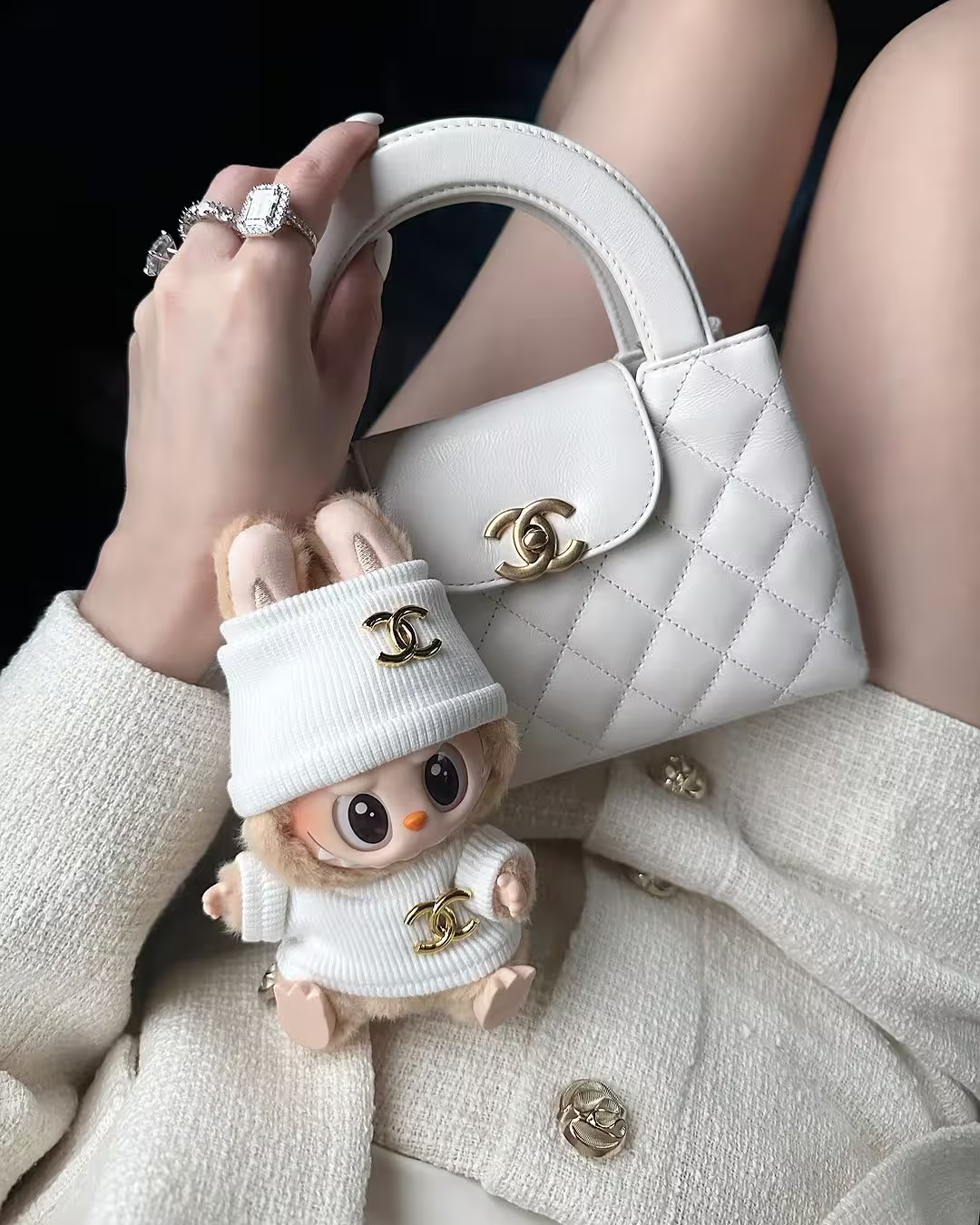
The Collector’s perspective: Art, Nostalgia and Investment
Labubu’s appeal goes beyond its price tag. Its design—a fusion of fantasy, folklore, and Lung’s distinctive illustration style—strikes a balance between nostalgic charm and avant-garde artistry. Collectors see Labubu as a narrative object: each edition tells a story, from whimsical forest creatures to gothic reinterpretations. This emotional resonance, paired with investment potential, makes Labubu an accessible entry point into luxury collectibles for younger generations of art buyers.
Asia’s cultural capital and the global expansion
Labubu’s success story also highlights Asia’s role as a powerhouse in shaping the global luxury market. Pop Mart, headquartered in Beijing, has tapped into a new generation of collectors who see designer toys as cultural currency. Pop Mart’s flagship stores and art toy conventions draw thousands of visitors, rivaling luxury fashion events in scale and influence.
Now, Labubu’s appeal is global. Limited editions are traded on platforms like StockX and eBay, and Western collectors are increasingly embracing art toys as serious investments. This east-to-west cultural migration echoes the path of streetwear, which evolved from subculture to luxury mainstay in just a decade.
Labubu as a status symbol
Owning a rare Labubu is no longer just about personal passion—it’s a form of status signaling. Much like Hermès Birkin bags or Rolex Daytona watches, Labubu figures are seen as trophies within a community of insiders. Displayed in glass cases, photographed for social media, and auctioned at prestigious houses, they have transcended the label of “toy” entirely.
The future of Designer toys in Luxury
The trajectory of Labubu suggests that designer toys are becoming a permanent fixture in the luxury ecosystem. Brands like Pop Mart have shown that storytelling, scarcity, and community engagement can elevate even the most playful creations into blue-chip collectibles. For luxury investors, Labubu represents an emerging asset class that blends cultural relevance with scarcity economics.
As the lines between high art, fashion, and collectibles continue to blur, Labubu stands as a case study in how pop culture artifacts can achieve luxury status. For collectors and brands alike, it’s a reminder that the future of luxury is not only about heritage but also about innovation and cultural resonance.
Discover more from Tecnoluxury.com
Subscribe to get the latest posts sent to your email.